SafeSleep360° Main Course 0003839
What is SafeSleep360°?
After you have completed the SafeSleep360° Module, you should be able to:
What is SafeSleep360°? When we talk about SafeSleep360°, what are we talking about?
There are all kinds of questions around SafeSleep360°.
SafeSleep360°is taking in all the areas around the baby where he or she may be sleeping. SafeSleep360° around their little lives, their little worlds, the areas they live, breathe and sleep in, to ensure that THEY ARE safe. SafeSleep360° also includes their family doing their part to make sure the risks associated with Sudden Infant Death Syndrome (SIDS) are addressed and the environment is a true SafeSleep360° environment.

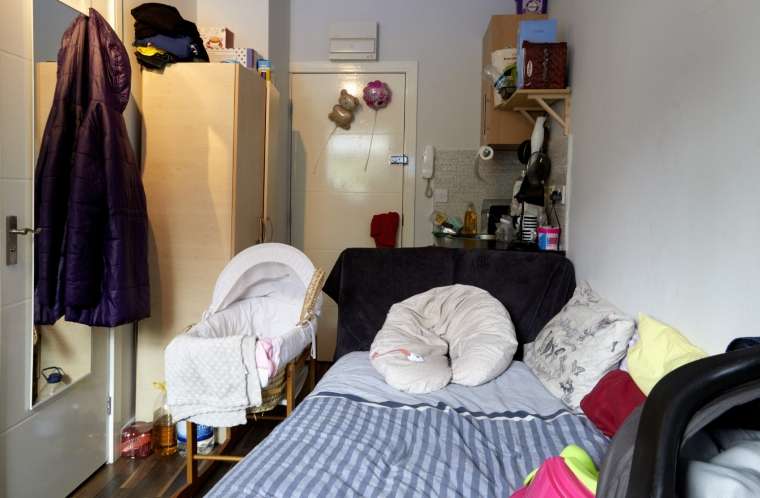

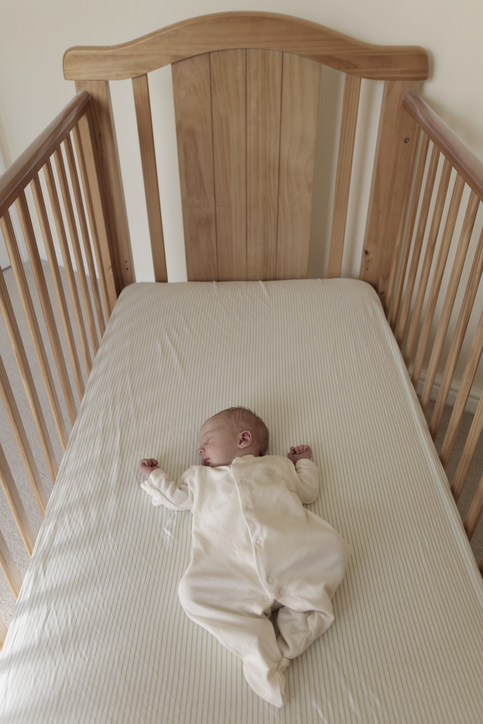
In the next few pages we will be discussing the CPS Handbook and the different sections that discuss SafeSleep360°.
These sections will discuss:
In the Child Protective Services Handbook, Section 2251 Safe Sleep, it reads that "DFPS must educate parents and caregivers about safe sleep issues".
You can see this section in the frame below.
(If there is a pop-up over the actual article, just click on the X in the upper right corner of the pop-up.)
Some of the things you need to discuss about the sleep environment are:
Where the infant is sleeping and any unsafe sleep practices
The importance of infants sleeping on their backs as opposed to their stomachs or sides
The dangers of infants sleeping on the same sleep surface with adults or other children
If there are a lack of resources, how to ensure a sleep safe environment and how to address this need
These things are all part of the SafeSleep360° initiative.
To learn more about these items you need to discuss with your client click on the link above to go to the CPS Handbook and read more about SafeSleep360°.
In the Child Protective Services Handbook , Section 12630 Safe Sleep and Other Safety Related Issues , it discusses home visits and SafeSleep.
You can see this section in the frame below.
(If there is a pop-up over the actual article, just click on the X in the upper right corner of the pop-up.)
During the initial face-to-face contact with the parent or caregiver, the caseworker completes the following tasks and documents them in a case contact:
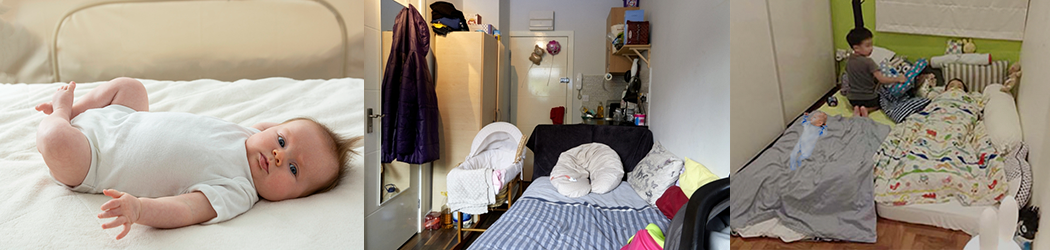
There are more details as to what needs to occur when these visits happens. Please take the time to click on the link and read the entire Section 12630 SafeSleep and other Safety-Related Issues.
Also click on the Keeping Children Safe Wherever You Go! to download the actual document. The caseworker should give a copy of this document to the parent or caregiver and discuss the topics. There is an entire section in this document about SafeSleep360°.
The Child Protective Services Handbook , Section 6411.22 Conducting the Monthly Visit informs you how the monthly visit should be handled by the CPS caseworker.
One of the things to note for a monthly visit is if the child is nonverbal, the caseworker must:

In this same section of the Child Protective Services Handbook , Section 6411.22 Conducting the Monthly Visit, there is a sub-section that covers Safe Sleep.
In the beginning of the section, as seen below, it quotes the Minimum Standard, for Child-Placing Agencies at, 26 TAC :
(a) A child may share a bedroom with an adult caregiver if:
There is more information about the monthly visit in the handbook. Click on the link above to go to the handbook to read more about conducting the Monthly Visit for CPS.
Click here to go read about the Minimum Monthly Standard for Child Placing Agencies at 26 TAC §§749.3027.
Caseworkers are also supposed to provide a copy of Keeping Children Safe Wherever You Go! document to the child's caregivers.
Click on the above link to download a copy.
In these next sections we will be learning more about SafeSleep360° and the guidelines around it.
These recommendations come from research done by the American Academy of Pediatrics Task Force on SIDS.
Research by C.E. Hunt showed that babies placed on their backs are less likely to get fevers, stuffy noses and ear infection.
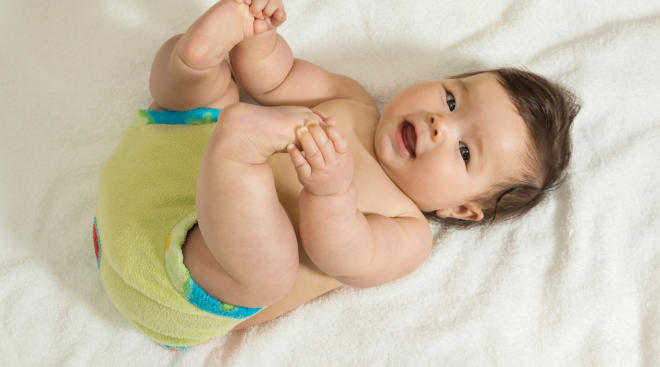
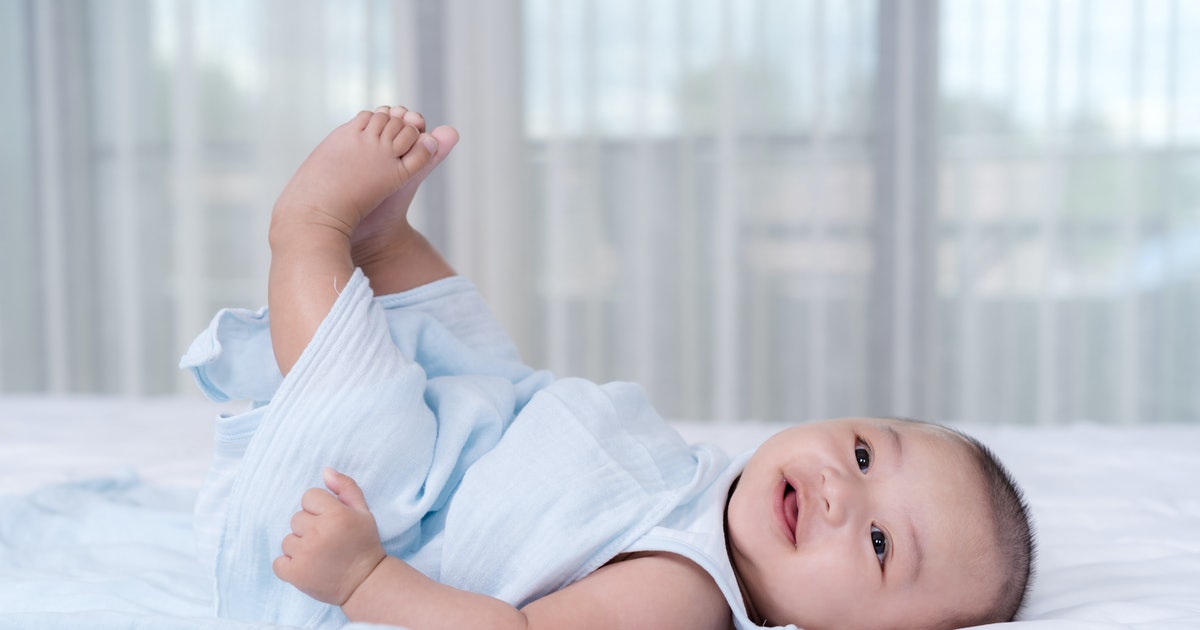
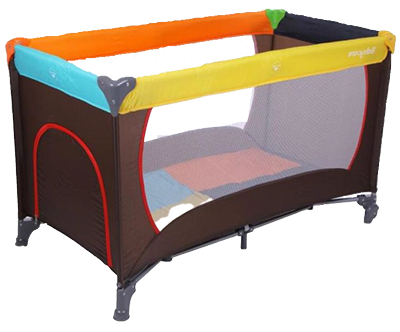
No matter what kind of area is prepared for the baby we need to ensure the family has taken in the SafeSleep360° recommendations. A crib, bassinet, portable crib or playpen that follows safety standards is what should be used for baby.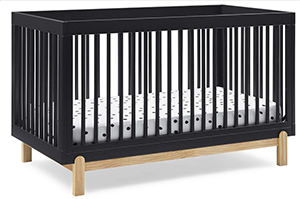
Concern with soft mattresses, including those made with memory foam, are that they could create a pocket and increase the chance of re-breathing if the infant is placed on or rolls over onto their tummy.
The infant should not be placed on any soft surfaces such as a blanket, sheepskin, water-bed, couch, sofa, pillow or quilt. The mattress they do sleep on can have a fitted sheet, with no other covering, bedding or soft item.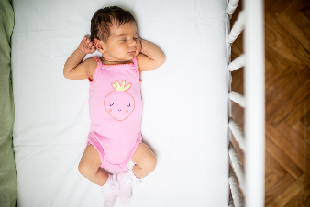
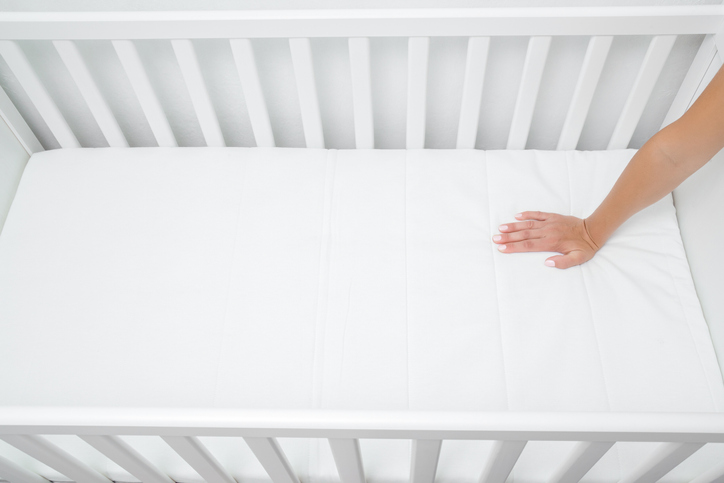
ALWAYS use a firm, flat sleep surface, like the mattress that comes in a safety approved crib, bassinet or playpen.
A firm surface is a surface that maintains its shape and will not indent or conform to the shape of the infant's head when he or she is placed on the surface.
 If utilizing a used crib, ensure the parents or caregivers are checking to make sure there is no recall on the product, there are no missing pieces of hardware, or that they are not trying to fix missing or broken components themselves. The crib being used should always be manufactured after 2011.
 If the family needs a crib and are unable to purchase one themselves there are resources that you, as a caseworker, can use to help the family with locating one, such a local Rainbow Room. Click on the link to go to the Rainbow Room page.
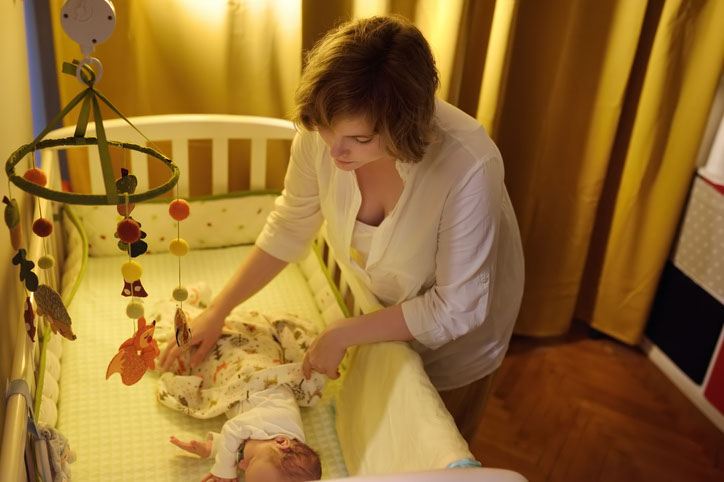 The American Journal of Epidemiology published research that showed that the side sleeping position is just as risky as the stomach sleeping position is, so babies should not be put in this position.
Now we are going to see if you can figure out which of the next statements are Myths and which are Facts. There are a few other questions too.
Click on the icon below to start the activity.
Answer all the questions then close the activity and come back to the training.
There are things an adult should not do to ensure their babies are in the SafeSleep360° environment.
In this section we are going to call it: BABY SHOULD NOT: as if the baby has a choice! But the parents and caregivers have a choice as to what they do for their baby.

Having a SafeSleep360° surface reduces the chances of suffocation, strangulation, entrapment, and the risk of SIDS.
Baby Should Not:
We will learn about these statements in the following pages.
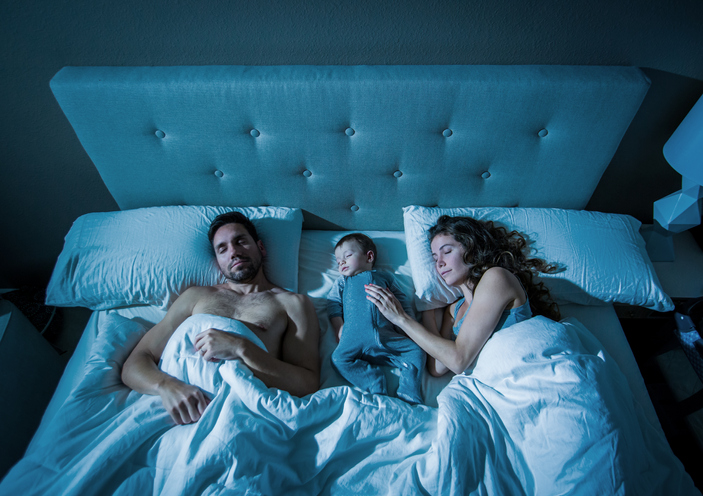
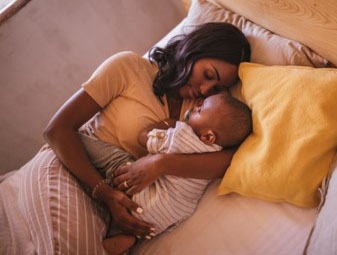
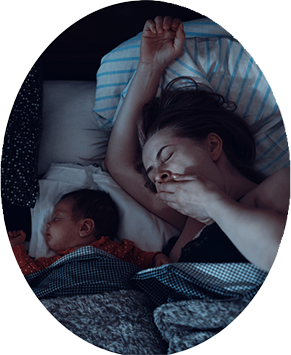
Bed-sharing is when parents and infants sleep together in an adult bed. You can help families find safe alternatives to bed-sharing.
Let's take a closer look at how this might be accomplished.
When evaluating an adult bedroom consider the FOUR RULES of SAFESLEEP360°.

It is even more dangerous under certain situations such as:
|
|
|
Unsafe bed-sharing increases the chance of a baby dying of SIDS or accidental suffocation. |
|
|
|
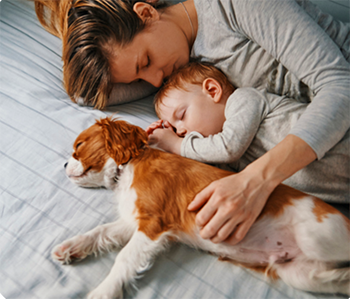
Bed-sharing is not recommended for any baby with an adult, child or even a pet. |
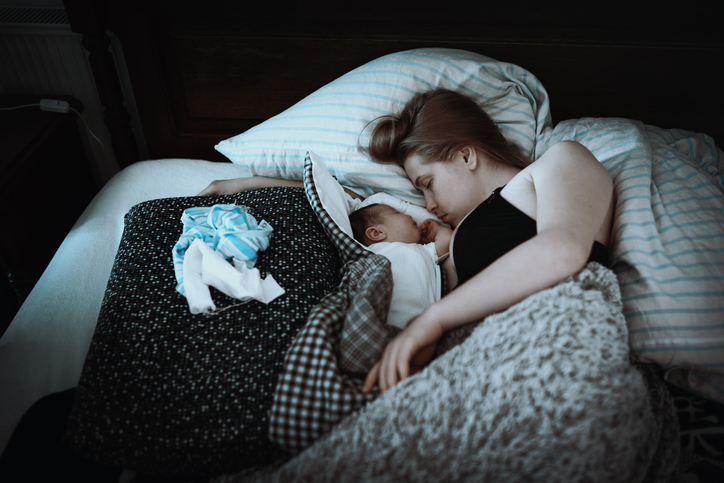 Some of the other situations where bed-sharing is dangerous are:
When you look at an adult bed, it poses dangers that caregivers might not consider.
|
|
|
Adult beds may be soft or have fluffy mattress covers. They usually also have pillows and blankets and or a comforter on them. All these things can be dangerous to an infant and increase the risks of SIDS.
|
|
|
|
Adult beds that are pushed up against a wall can be another danger, because babies can become trapped between the wall and the bed. If the baby is old enough, he and or she could also fall off the bed, causing an injury.
|
|
|
|
Pointing out these risks is an effective way to start the conversation with a family where bed-sharing is currently taking place.
|
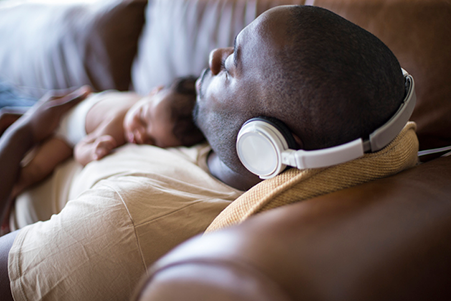
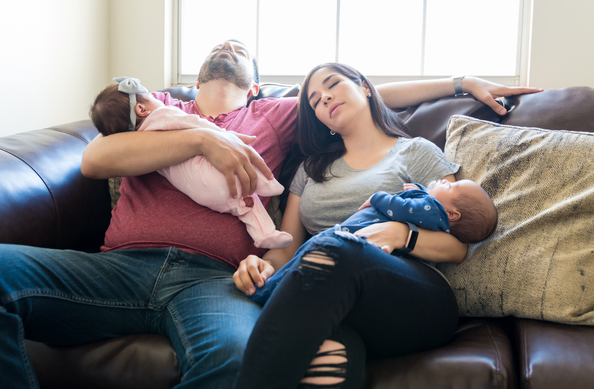
The American Academy of Pediatrics or (AAP) warns against co-sleeping with a baby on a couch or laying a baby on a couch by themselves. Here are some reasons why parents shouldn't place a baby on a couch to sleep or sleep with the baby on a couch.
|
SIDE OR FACE DOWN Parents more often lay their babies face down or on their side when laying them on the couch. |
|
|
|
PARENTS WITH BABY ON THE COUCH Parents also lay their babies on their chest so that the baby is sleeping on their tummy instead of their backs. |
|
|
|
TIRED PARENT Parents fall asleep their infants on the couch and being so tired the same thing could happen on the sofa as happens in bed. Plus the infant could roll out of the parents arms and onto the floor or into a space between the parents and the couch. |
|
|
Here are some suggestions on how to keep co-sleeping on a couch from happening. These are suggestions from the American Academy of Pediatrics (AAP) on what to do when parents are not at home and need to continue to keep their baby in a SafeSleep360° environment.
|
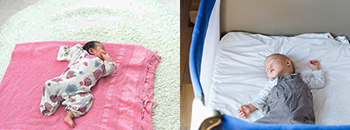
PLAYPEN OR FLOOR Instead of co-sleeping with the baby on the couch, the baby should be moved to a crib, bassinet, playpen or other firm safety surface. If one of these is not available the parent or caregiver can lay a mat or blanket in a cleared, clean space on the floor to place the baby. |
|
|
|
PLAN AHEAD For new parents who are not getting much rest, a sleeping baby is a gift. Parents may be tempted to let them continue sleeping, even if the surface poses a threat. Encourage the parents to take along a playpen or a mat to lay the baby on when visiting friends or relatives. |
|
|
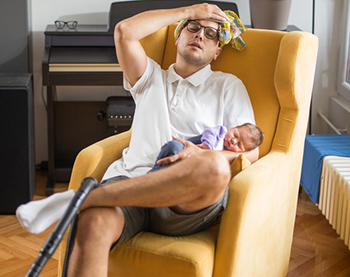 The American Academy of Pediatrics also warns against co-sleeping in a chair. This is one of the biggest mistakes new parents make. As tired as the parents get, it is easy to drop a baby out of their arms and onto the floor.
Or the baby could get wedged between the cushions of the chair if the parents fall asleep and the baby slides out of their arms into the chair.
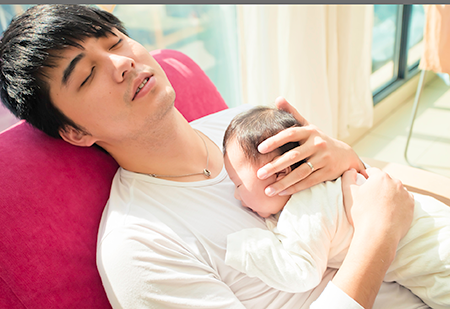 Also, when the baby falls asleep on the parent or caregivers chest while they are slumped down in the chair this creates another high risk issue. The baby is sleeping on their tummy instead of their backs, which we know by now puts the baby at higher risk of SIDS.
Now we are going to talk about Room-sharing.
Many parents or caregivers will share a room with their baby already.
Room-sharing means keeping the baby close to an adult bed but on a separate surface that is designed for infants. Pediatricians prefer this separate, but adjacent, sleep arrangement because parents or caregivers can closely monitor their infant's needs, while allowing the baby to sleep safely.
Many parents or caregivers will share a room with their baby already.
Ideally, room-sharing should be done for a year, but it needs to be done for at least the first six months. Room-sharing does not mean the baby sleeping in the same bed with the parents or guardians.
According to TAC Title 26 Part 1 Rule §749.3027
(a) A child may share a bedroom with an adult caregiver if:
There are exceptions and other rules you should be aware of in this section of the Texas Administrative Code or TAC.
When room sharing with an infant, the caregiver can use a crib, bassinet, playpen or any other sleeping option that is safety approved. For information on crib safety, contact the U.S. Consumer Product Safety Commission or the CPSC at 1-800-638-2772 or visit https://www.cpsc.gov.
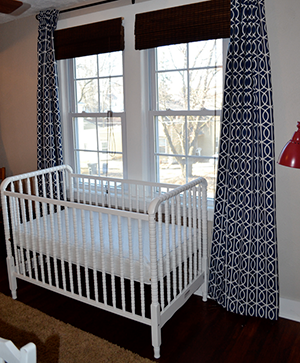
You need to ensure that whatever the baby is sleeping in, is located at an appropriate place in the room. It does not need to be too close to a window with curtains, blinds or shades.
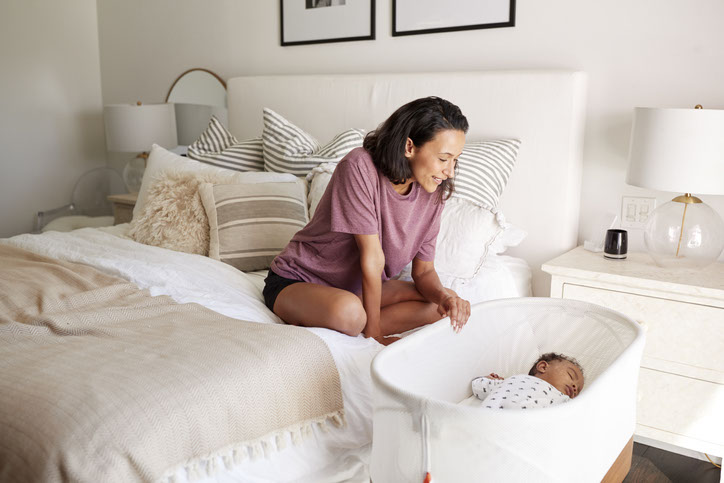
If the mother is breastfeeding, the place the baby sleeps needs to be close enough that the mother can easily get the baby back into bed after she has finished nursing during the night
Now we are going to discuss a couple of things that are health benefits for baby. These are things that can benefit the baby and have been shown by research to help reduce the rate of SIDS in babies.
|
|
|
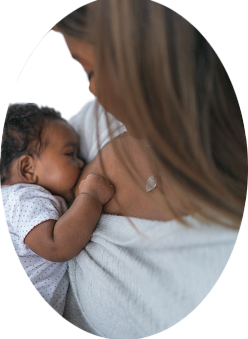
Breastfeeding has a great deal of health benefits for both the mother and the baby. The AAP recommends breastfeeding as the sole source of nutrition for the infant for about 6 months. Even after adding solid foods to a baby's diet they should still have breast milk.
|
|
|
|
Babies who were never fed breast milk are at higher risk for SIDS than babies who are breast fed or fed breast milk. Longer duration of exclusive breastfeeding leads to lower risk of SIDS. Healthy habits lower the risk of SIDS. Breastfeeding reduces the risk of SIDS by 36%.
|
|
|
|
But if the mother breast feeds in bed, she should have a separate sleep area close to her to put the infant back in after she finishes. If she does fall asleep while nursing or comforting the infant in an adult bed, she should put him or her back in the separate area as soon as she wakes up.
|
|
|
|
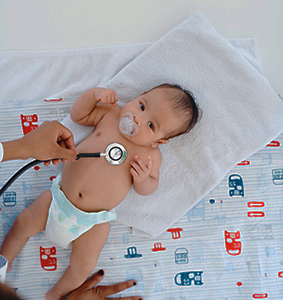
Another healthy habit is keeping all well-baby visits.
|
|
|
|
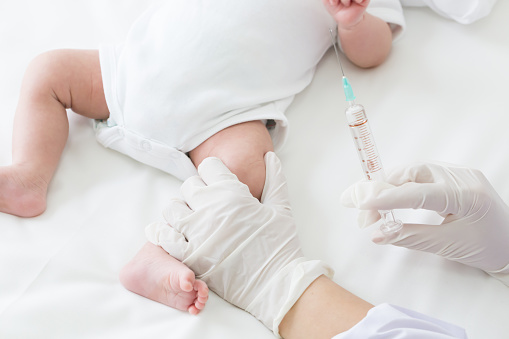
The infant needs to get all his or her immunizations on time.
|
The next thing we are going to discuss is Tummy Time.
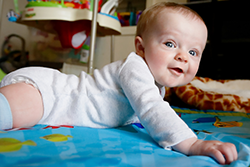
Tummy Time describes when the infant is placed on his or her stomach while awake and someone is supervising.

The American Academy of Pediatrics does recommend 30 minutes of tummy time a day for an infant. These 30 minutes sessions can be split up in increments of 5, 10, or 15 minutes, whatever is comfortable for the infant. For a newborn, tummy time can start with short time periods and work up. The 30 minutes do not have to be done all at once.

Tummy time is important because it:
 Some ways to make tummy time more enjoyable are:
Here are some ideas for dressing baby for bed and ideas to help make baby comfortable while sleeping.
While you are in the home, do what you can to help the families examine the risks their baby may be facing while sleeping and help them find safer alternatives.
|
|
|
The final factor to consider here is the parents. Do they understand the importance of a safe place for their baby to sleep? |
|
|
|
How will the parents plan for the baby's needs of a firm surface and room to breathe? |
|
|
|
Choosing the safest place for a baby to sleep is one of the most important decisions a parent makes in the first year of a baby's life. |
What do you tell parents who think it's too difficult to follow the SafeSleep360° rules?
|
|
|
|
|
|
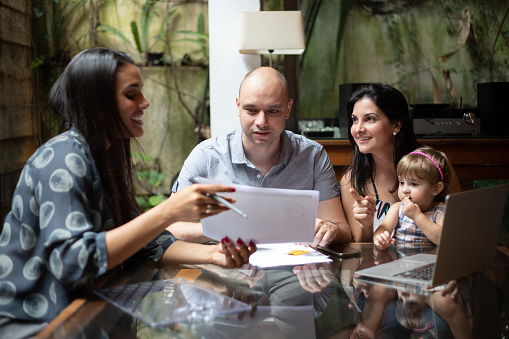
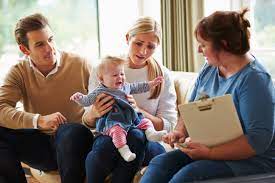
Here are some important things for caseworkers to remember during a home visit.
|
A trick you can give parents and caregivers to help them remember the SafeSleep360° rules is to remember the acronym BABY.
 B is for baby to be on their BACK as this is the best place for baby to sleep.
 A is for the baby to be ALONE, meaning not be sleeping with any other adults, infants, siblings, or pets.
 B is for baby to have plenty of room to BREATHE. There should be no obstructions in their sleeping area such as blankets, bumper pads, toys or stuffed animals.
 Y is for YES to healthier habits, meaning as caseworkers you need to help increase and promote that breastfeeding is best and healthier for baby. You also need to promote tummy time for the baby as this helps with the baby's development and muscle strength.
You, as the caseworker, are the one who will be able to get the message about SafeSleep360° to the parents and caregivers. Remember all you have learned in this training today and ensure that you are ready to pass this knowledge on!
Here are a couple of other web sites that might be useful for you to learn more information or to pass on those who might need a little more help.
Help support families and prevent child abuse in your Texas county.
http://www.helpandhope.org
You can use this web site to report suspicions of abuse, neglect and exploitation of children, adults with disabilities and people 65 years or older.
https://www.txabusehotline.org
Call the Texas Abuse Hotline when the situation is urgent. 1-800-252-5400
Now that you have completed the SafeSleep360° Module you should be able to:
You have reached the end of this lesson. You may navigate to any part of the lesson for review, select Print All, or select Ctrl + W to close this window to continue to the next section of the course.