USDA Refresher
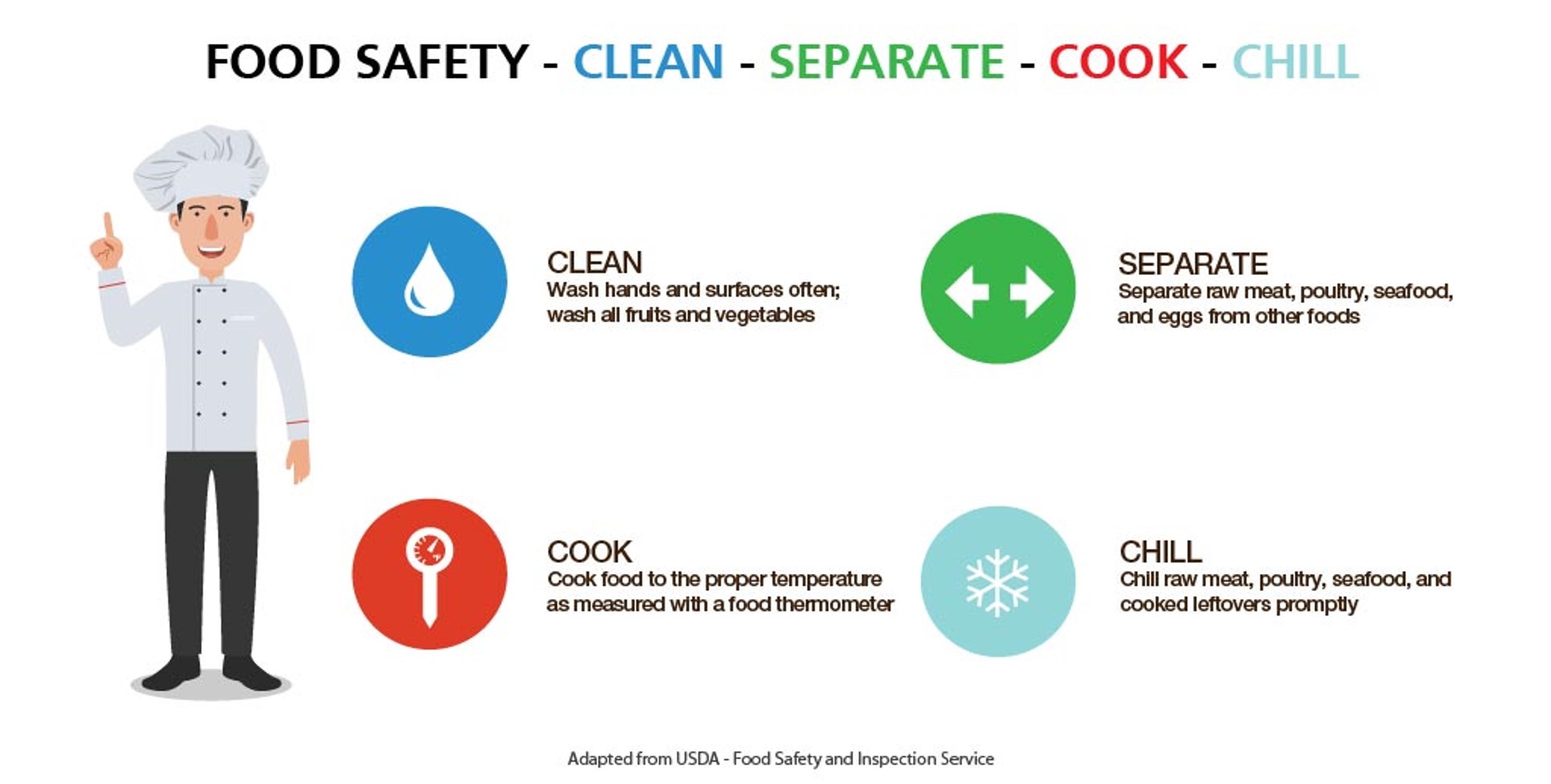
Welcome to the USDA Refresher course for SJRC Texas Residential staff. This course is designed to provide essential guidelines on food safety practices to ensure a safe and healthy environment for all.
Learning Objectives:
At the end of this course, you will be able to:
1. Clean: Wash Hands and Surfaces Often
2. Separate: Avoid Cross-Contamination
3. Cook: Ensure Food Reaches Safe Temperatures
4. Chill: Refrigerate Promptly
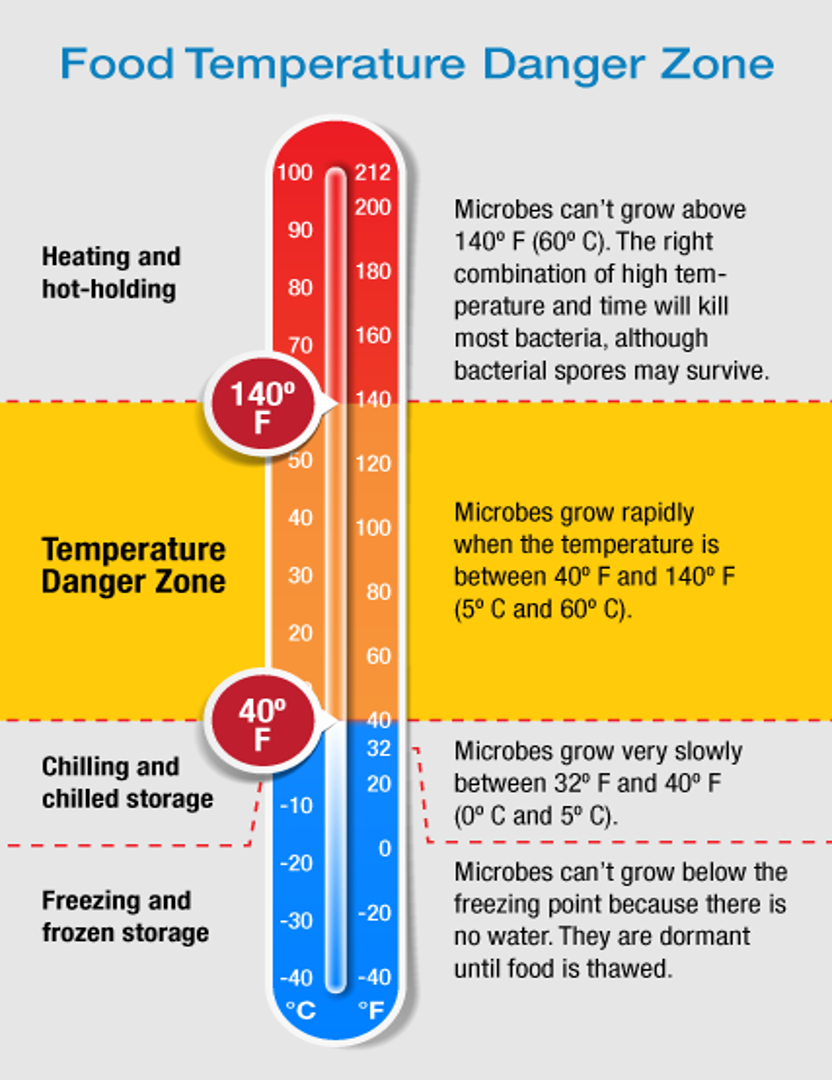 To ensure food safety, it's crucial to maintain proper temperatures and keep a daily temperature log for each refrigerator, freezer, and pantry.
Refrigerators: Food should be kept at or below 41 degrees Fahrenheit to prevent bacterial growth.
Freezers: Ensure that freezers are kept at 0 degrees Fahrenheit or lower to keep food frozen solid.
Cooking Meat Safely
To guarantee that meat is cooked to a safe temperature:
1. Use a Meat Thermometer: Insert the thermometer into the thickest part of the meat, avoiding bones, as bones can affect the accuracy of the reading.
2. Check Temperature: Ensure the meat reaches the recommended internal temperature for safety. This varies depending on the type of meat and cooking method.
By adhering to these guidelines and monitoring temperatures daily, you can significantly reduce the risk of foodborne illnesses.
This video covers four essential steps for keeping food safe: clean, separate, cook, and chill. Learn how to properly handle food to prevent contamination and ensure safe preparation practices. For more details, visit the foodsafety.gov website.
Food Safety Tips (0:32)
Organizing Your Fridge for Optimal Freshness
.jpg)
Keeping your fridge well-organized not only helps you manage inventory but also extends the freshness of your foods and beverages. Improper placement—like tossing a block of cheese on any shelf or stashing juice in the door—can actually speed up spoilage.
To keep your food fresh, start by ensuring your fridge is set to the correct temperature. Brittany Saunier, Executive Director at the Partnership for Food Safety Education, advises, “Use an appliance thermometer to set your fridge to 40 degrees Fahrenheit or below. This temperature range slows bacterial growth and helps maintain food safety.”
Once your fridge is at the right temperature, organize your food according to these guidelines:
Upper Shelves
The upper shelves are ideal for grab-and-go foods. "Use these shelves for leftovers and ready-to-eat items that require no further cooking," says Carla L. Schwan, Ph.D., Assistant Professor and Extension Food Safety Specialist Director at the National Center for Home Food Preservation. Examples include dips, leftover pizza, and deli salads.
Middle Shelves
The middle shelves are the coldest and most consistent in temperature. Schwan recommends storing dairy products like milk, eggs, and cheese here to slow spoilage and pathogenic growth.
Lower Shelves
The bottom shelves also maintain a consistently cold temperature, making them perfect for raw meats, poultry, and fish. Schwan explains, "Storing raw meats on the bottom shelves helps prevent cross-contamination by catching meat juices that could otherwise drip onto other foods."
Crisper Drawers
Crisper drawers are designed to manage humidity levels, which helps keep fruits and vegetables fresh.
If your fridge lacks separate drawers, keep high-ethylene produce away from ethylene-sensitive items.
Side Doors
The door shelves are the warmest part of your fridge, so store items that can tolerate temperature fluctuations. Schwan suggests placing condiments (like ketchup, mustard, mayo, and dressings) and non-perishable drinks (like bottled water and soda) here.
By following these guidelines, you’ll help ensure your food stays fresh longer and make your fridge more efficient.
This video explains food allergies, including common allergens, symptoms, and management strategies. Learn about the differences between food allergies, intolerances, and poisoning, and discover how to handle severe reactions like anaphylaxis, including the use of epinephrine and medical alert jewelry.
Understanding Food Allergies (4:55)
Food allergies can vary widely, but the Food Allergen Labeling and Consumer Protection Act of 2004 (FALCPA) identifies eight major food allergens:
As of January 1, 2023, the Food Allergy Safety, Treatment, Education, and Research (FASTER) Act added sesame to the list of major food allergens, bringing the total to nine. This change requires sesame to be listed on food labels as an allergen.
Despite this new requirement, you may still encounter products on the market that do not yet list sesame as an allergen, as some products may be sold with older labels.
Staying informed about these allergens and label updates is essential for ensuring food safety and accommodating individuals with food allergies.
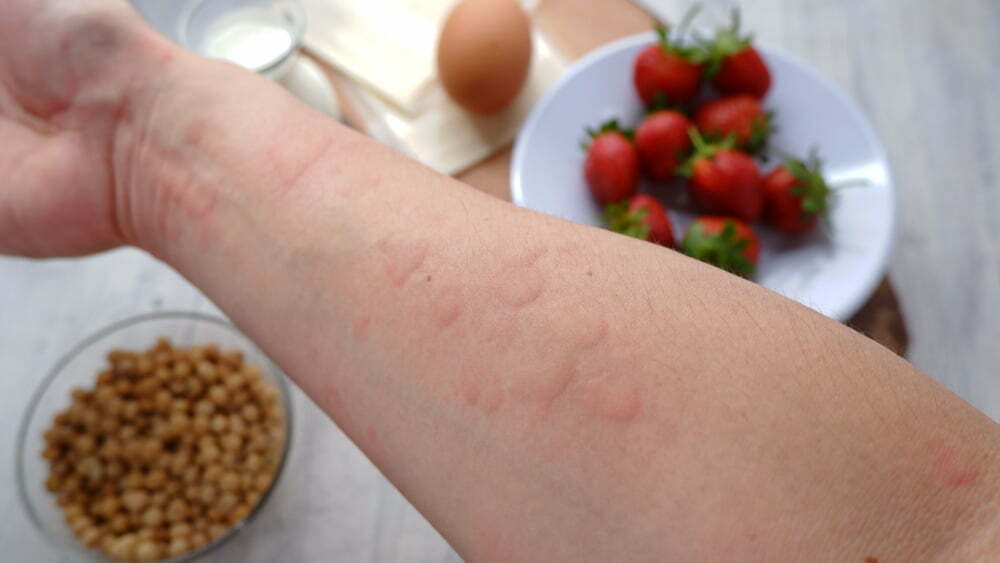
Food allergies can trigger a range of symptoms, which may vary from person to person and depend on factors such as the quantity of allergen consumed. Symptoms may appear within minutes to hours after eating the allergenic food.
Mild Symptoms: Often include skin reactions (like hives or itching) and digestive issues (such as nausea or diarrhea).
Severe Reactions: In some cases, symptoms may escalate to a severe, life-threatening allergic reaction known as anaphylaxis. Anaphylaxis can start with mild symptoms but can rapidly become life-threatening if not treated immediately.
Anaphylaxis: A Life-Threatening Emergency
Early Symptoms: May initially be mild but can progress quickly. Early recognition and prompt treatment are crucial.
Treatment: The immediate administration of epinephrine and seeking emergency medical care can prevent severe consequences.
Key Points to Remember
Understanding these signs and responses can help ensure timely and effective management of food allergies.
Food allergies are a serious concern that require careful management, especially in environments where children are present. Understanding and adhering to best practices for handling food allergens can significantly reduce the risk of allergic reactions and ensure the safety of all individuals. Please review below the four essential steps: Read, Avoid, Learn, and Know. By following these guidelines, you can help create a safer environment and effectively manage food allergies. Let's take a closer look at each step. Click on each tab to learn more.

By following these steps, you can help ensure a safer environment and effective management of food allergies.
Meal Production Records should be completed partially before the meal is prepared and finished after serving. Our USDA menus can not be altered. They are created and approved and are unable to be altered daily. The youth and staff are expected to eat at the kitchen table and are designated 30 minutes to consume each meal.
Staff will check all residents who were served. If a resident is off campus staff will put an o/c by their name.
.png)
When filling out the USDA Meal Production Records, it's important to be thorough and accurate. Here are some common mistakes to avoid:
Avoiding these common errors helps ensure compliance and accuracy in documentation.
Thank you for completing this course that covered crucial food safety practices, including proper food handling, recognizing allergy symptoms, and completing Meal Production Records (MPR) accurately.
Adhering to these guidelines ensures the safety and well-being of all residents and staff. Regularly review these practices and stay updated with any changes to maintain our high standards of care. Your commitment to food safety is essential for compliance and the health of our community. Thank you for your dedication.
By the end of this course, you should be able to:
1. USDA Government Video. (n.d.). USDA Food Safety Education Videos. Retrieved from https://youtu.be/7W1mtjIEY2w?si=sOZWPKPE8IlHbqDD](https://youtu.be/7W1mtjIEY2w?si=sOZWPKPE8IlHbqDD)
2. Food Allergies Video. (2023). Understanding Food Allergies: A Medical Perspective. Retrieved from https://www.youtube.com/watch?v=LoVLWxHt5RQ&t=136s](https://www.youtube.com/watch?v=LoVLWxHt5RQ&t=136s)
3. U.S. Food and Drug Administration. (2004). Food Allergen Labeling and Consumer Protection Act of 2004 (FALCPA). Retrieved from [https://www.fda.gov/food/food-allergensgluten-free-guidance-documents-regulatory-information/food-allergen-labeling-and-consumer-protection-act-2004-falcpa](https://www.fda.gov/food/food-allergensgluten-free-guidance-documents-regulatory-information/food-allergen-labeling-and-consumer-protection-act-2004-falcpa)
4. U.S. Food Safety and Inspection Service. (2021). Food Allergy Safety, Treatment, Education, and Research (FASTER) Act Retrieved from [https://www.foodsafety.gov/blog/food-allergy-safety-treatment-education-and-research-act-2021](https://www.foodsafety.gov/blog/food-allergy-safety-treatment-education-and-research-act-2021)
End of the course. Please click 'Finish' or close this window and proceed to complete the Final Exam.