.png)
Understanding Food Allergy Symptoms
Mild Symptoms: Often include skin reactions (like hives or itching) and digestive issues (such as nausea or diarrhea).
Severe Reactions: In some cases, symptoms may escalate to a severe, life-threatening allergic reaction known as anaphylaxis. Anaphylaxis can start with mild symptoms but can rapidly become life-threatening if not treated immediately.
Anaphylaxis: A Life-Threatening Emergency
Early Symptoms: May initially be mild but can progress quickly. Early recognition and prompt treatment are crucial.
Treatment: The immediate administration of epinephrine and seeking emergency medical care can prevent severe consequences.
Key Points to Remember
- A mild allergic reaction does not necessarily indicate a mild allergy. Any allergic reaction has the potential to progress to anaphylaxis.
- Continuously monitor for symptoms and seek medical care as needed, even if symptoms seem mild initially.
Understanding these signs and responses can help ensure timely and effective management of food allergies.
Common Food Allergy Symptoms
- Hives
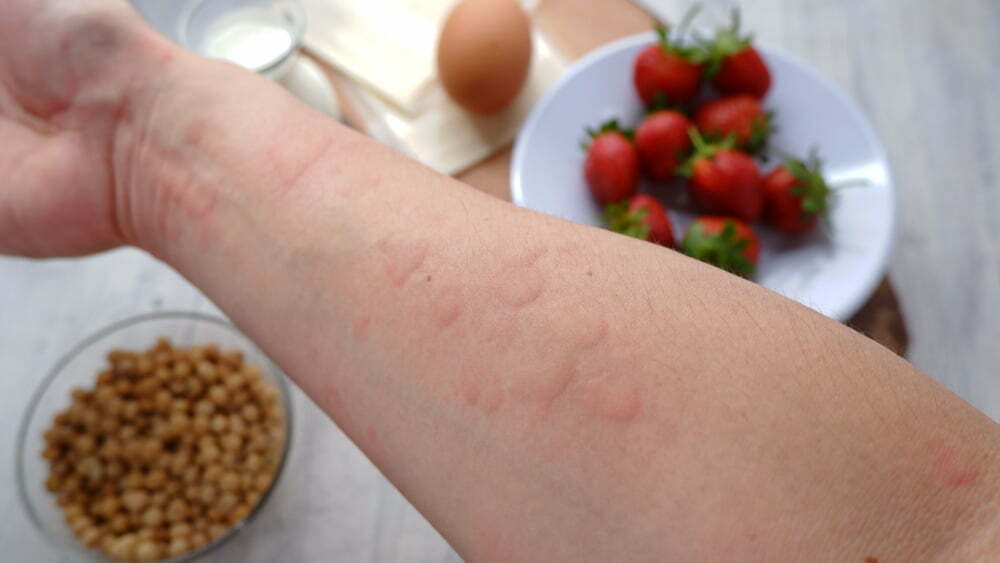
- Flushed skin or rash
- Tingling or itchy sensation in the mouth
- Face, tongue, or lip swelling
- Vomiting and/or diarrhea
- Abdominal cramps
- Coughing or wheezing
- Dizziness and/or lightheadedness
- Swelling of the throat and vocal cords
- Difficulty breathing
- Loss of consciousness
What to Do for Food Allergies
Food allergies are a serious concern that require careful management, especially in environments where children are present. Understanding and adhering to best practices for handling food allergens can significantly reduce the risk of allergic reactions and ensure the safety of all individuals. Please review below the four essential steps: Read, Avoid, Learn, and Know. By following these guidelines, you can help create a safer environment and effectively manage food allergies. Let's take a closer look at each step. Click on each tab to learn more.
- Always read food labels carefully to identify potential allergens.
- Review child records and any allergy-related information to ensure safety.
- Avoid consuming any foods that you are allergic to.
- Be vigilant about cross-contamination to prevent accidental exposure.
- Learn to recognize early symptoms of an allergic reaction, such as itching, hives, or swelling.
- Be aware of signs of a more severe reaction, including difficulty breathing or swelling of the throat.
- Know the emergency procedures for managing an allergic reaction.
- Have access to appropriate treatment, such as epinephrine, and ensure you know how to use it.
- Plan and prepare for prompt medical care if an allergic reaction occurs.
By following these steps, you can help ensure a safer environment and effective management of food allergies.